Okay, okay. So blog readers don’t like polls. They especially don’t like polls with philosophical preambles.
In my last post, I was the only one who cast a vote. How lame is that?!
I promise to keep things simple, dear reader.

July 22, 2010
Okay, okay. So blog readers don’t like polls. They especially don’t like polls with philosophical preambles.
In my last post, I was the only one who cast a vote. How lame is that?!
I promise to keep things simple, dear reader.

July 19, 2010
Gary Shteyngart is a funny guy. His new book, Super Sad True Love Story, follows the obsessions and catastrophes of the information age, and I can’t wait to read it!
In Garyland, “books are extinct, eternal life can be purchased by the elite, subways offer business class and see-through jeans are the latest fashion.” (hat tip to Deborah Solomon’s Q&A in yesterday’s New York Times Magazine). It’s fiction, but it feels like many of these things are underway already.
Not many novelists, apart from Douglas Coupland, write about the present, but Shteyngart wonders in the Times piece, “How could you not write about today? It’s so fascinating. When civilization takes a nose dive, how can you look away? You’ve got to be there. You’ve got to be at the bottom of the swimming pool taking notes.”
Here are a few things that get Gary cracking his satirical whip:
• Our new and not-so-improved attention spans: “I can only read 20 or 30 words at a time before taking out my iPhone and caressing it and snuggling with it.”
• The death of reading: “Maybe we’re all wrong and there’s going to be a huge comeback in 10 years where all the kids are going to drop their iKindles and start reading like crazy. ‘Dude, did you read the latest Turgenev? It’s so sick. This dude is like all over the subject of love and serfdom.'”
• Our lack empathy: “The idea that it’s important to learn how another person thinks, to enter the mind of another person, the whole idea of empathy is gone. We are now part of this giant machine where every second we have to take out a device and contribute our thoughts and opinions.”
Gary jokes “Dystopia” is his middle name but others, like Jeremy Rifkin, see a different outcome for the information age. Rifkin, author of The Empathic Civilization, is a frequent “contributor” to this blog. He believes the internet will hasten global consciousness and help us through our most pressing crises, and the environmental crisis, in particular.
In a talk that was both peppy and philosophical, Rifkin told the kids at Google last January that they have a special mission at this pivotal point in history …
Our lives are unrepeatable. This existential sense of our selves, the idea that we have a one and only history that allows us to feel the same thing in another person, to feel their struggle and their desire to fluorish, that’s what brings out a sense of solidarity in all of us. Think about it, our most alive moments are when we have that feeling of death and life together, when we feel empathy. I think the awe of life is bound in us, that we’re hardwired for empathetic distress. So imagine a scenario in which we could extend that central nervous system to the entire human race through technology? I think our digital consciousness is doing this, or could. Google has the potential to create a biosphere awareness. When communications revolutions come together with energy revolutions those are pivotal points in history because they change human consciousness. They expand our empathic horizons.
What’s your stance on this? Are you an optimist or a pessimist? Have your say in the poll below.
July 17, 2010

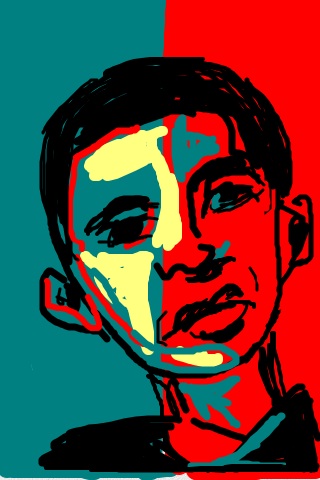
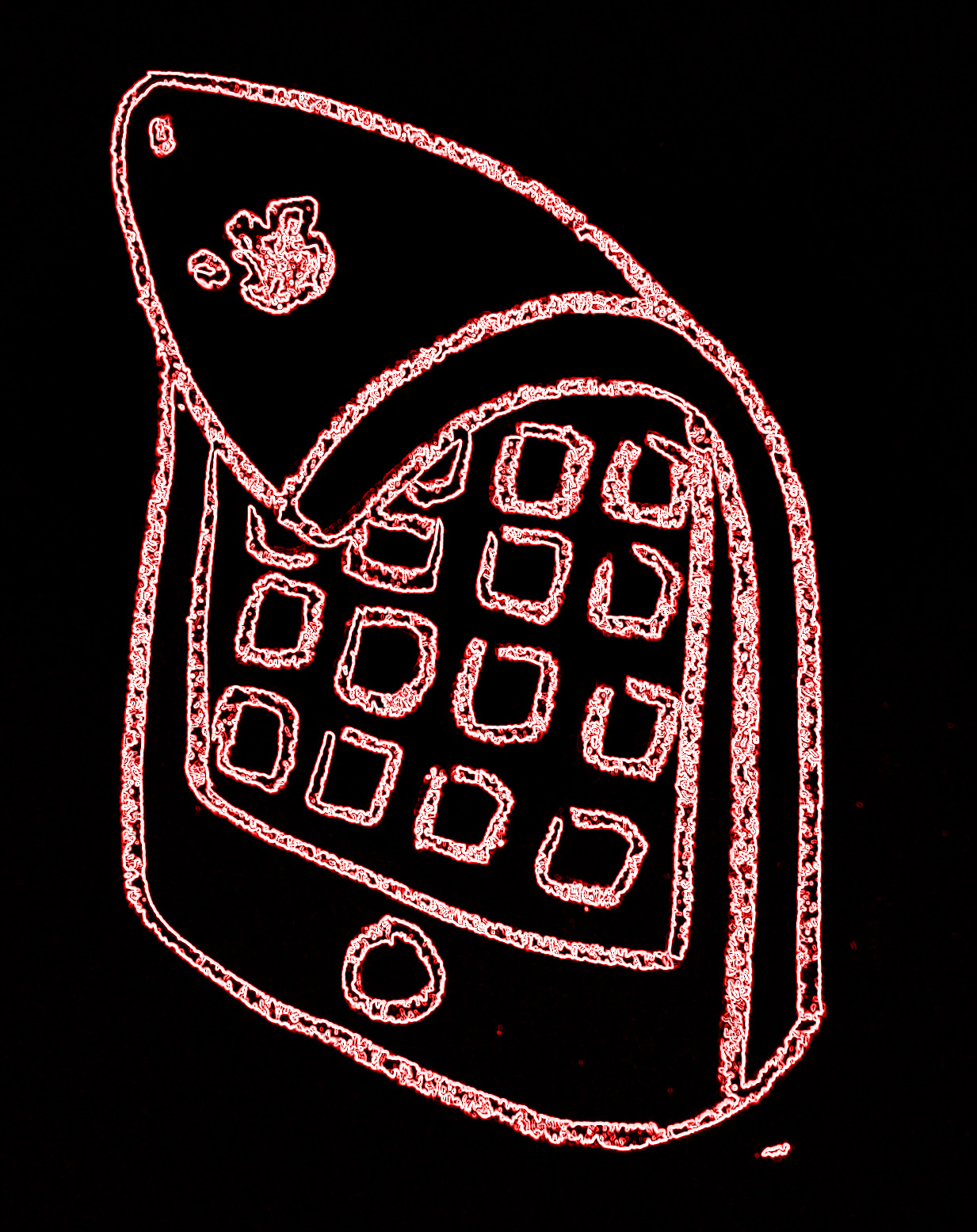
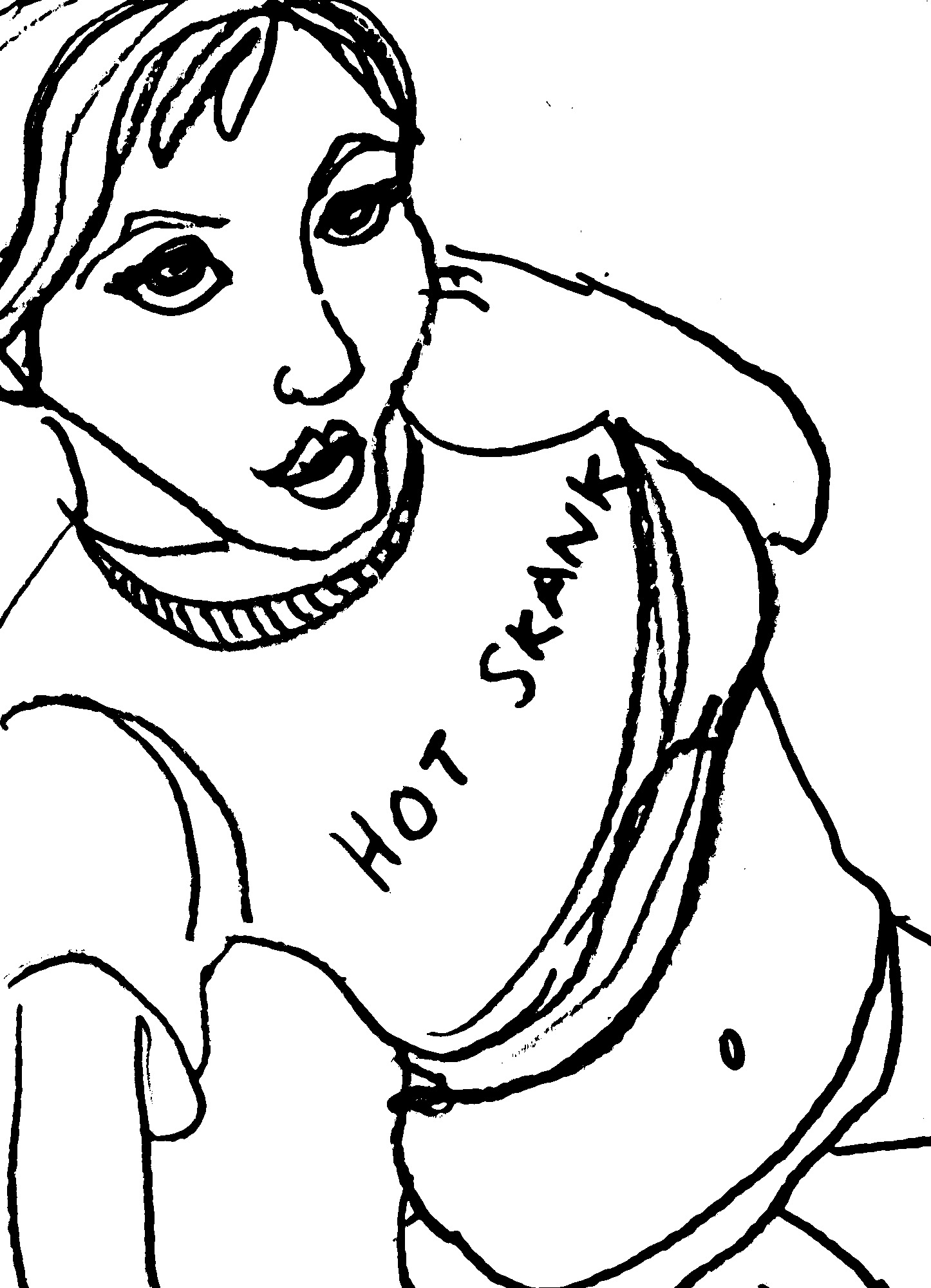
iPhone 4: We’re not used to being in the dog house.
(Black crayon on white paper→Sony Cyber-shot, “click!”→picnik.com (Neon effect)→Et, voilà)
July 8, 2010
First book: Fun At The Beach (author unknown, A Whitman Tiny TotTale). Spoiler alert: Johnny and his brother swim past a crab, scarf down some peanut butter sandwiches, and make sand pies and cakes. Mom sits under an umbrella and claps from a distance.
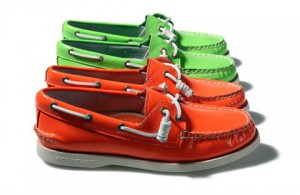
Shoes: The classic Sperry Topsider. They’re back! … kind of. Love the no-slip grip, the candy colours. Wish there were more eighties plaid shirts and shorts on this season’s rack to pair them with.

Freezer treat: Frozen Coke. If you’re feeling depleted from all those trips down the water slide, frozen Coke is the best invention, ever. Mushy, sweet and thirst-quenching. WARNING: drinking FCs too fast could bring on a headache or, worse, flashbacks of those horrid clique battles from Grade 7 trips to Ontario Place.
Pic-a-nic: Hit the beach with a big bunch of grapes, a selection of cheeses and some wine. This Verona portable picnic basket balances nicely on your shoulder.
Movie: Cousins or Seitensprunge in German (it just sounds more summery in the Teutonic translation, nein?). Isabella wears a fantastically-wide sun hat in one scene, stills for which were no where to be found on Google. Trust me on this: she looks stylish and sun savvy.
Makeup: A fresh paint job!
Adult reading: Don’t get sand on me!
July 6, 2010
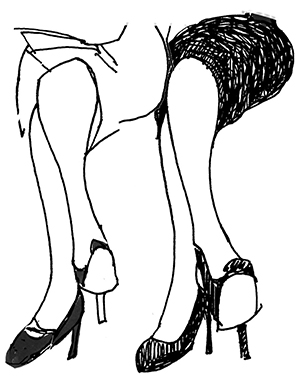
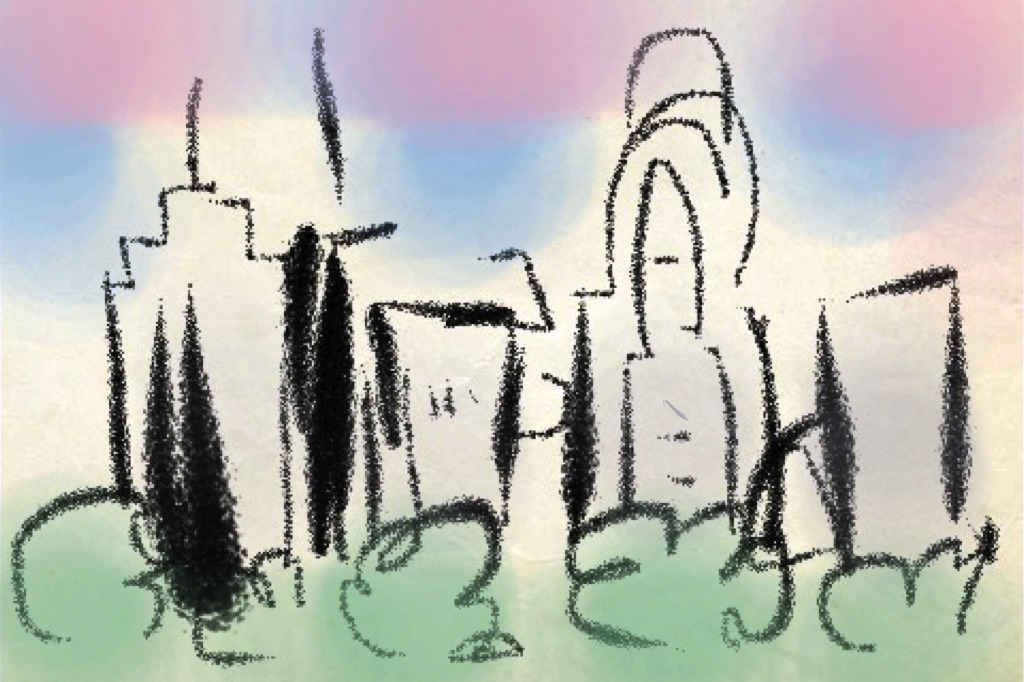
NEW YORK, 100ºF —“Philip, do you think anyone would care if I left my hat and gloves in the hotel?”*I used the “Inkling” app to draw this. It creates Japanese brush painting strokes, but also mimics a butcher’s grease pencil and looks a lot like the magazine illustration techniques of the 1950s. I added a blush of colour using the “airbrush” mode in the “Sketchbook” app.
Could this be more fun?
June 29, 2010
On some mornings, I get up thinking about Twyla Tharp (left), the American choreographer. And I’m not even a dancer, I’m a writer. I don’t know Twyla, but I do know that she moves like Fred Astaire (leading, not following) and once directed a line of classical ballerinas to sing en pointe. Years of studying the novels, poems, high kicks, howls and — louder still — the silence of generations of women before her inspired moves like that.
Lately, though, Twyla’s been crossing the globe picking up honorary doctorates (19 at last count). I don’t care about her trophies, to be honest. And I’m guessing that beneath all the thank yous, neither does she. The only thing an artist cares about is getting back their routine.
Apart from the artistry and sheer grace, I think a fierce commitment to routine and an unwavering allegiance to ideals are what draw so many writers to dancers. Wendy Wasserstein, the late playwright and Grand Dame of balletophiles, took the greatest pleasure in being a patron of the New York City Ballet. “While they danced, I sat in the audience and stored their fat,” she joked.
So I think about Twyla as I’m tying my running shoes in the early morning and heading out the door for the footpaths of High Park because I know, at that very moment, she’s climbing into the back of a New York taxi cab and telling the driver, “Take me to the Pumping Iron gym at 91st and First.” She believes the ritual of the cab is what counts the most, not the stretching and weight training she puts her body through once she’s at the gym. It’s all about the triumph of first steps over apathy, pain and fear.
In fact, Twyla has attached a quasi-religious significance to first steps. The repetition of beginnings is the only way to get the creative ball rolling, whether you’re staring at a blank page, an empty studio or a musical instrument waiting to be held. Performance anxiety comes when you think too much and move too little.
Those of us, then, who admire Twyla “the artist,” not Twyla “The Legend,” know that her trophies are really just icing on a life of stunning sameness.
June 22, 2010
The front hallway of the house I grew up in was a grotto of potted plants and hanging baskets placed in and amongst a collection of modern art made from highly polished cast steel.
A floating staircase linking the hallway to a second level cut through the middle of this exhibition of vines and metal in pure seventies fashion (think of Mike Brady* and Tarzan colliding in Chicago‘s Millennium Park). It always drew gasps from house guests as they handed us their coats, in the same way I’m sure the foyer in Toronto’s Metro Reference Library inspired nods of approval when it first opened in 1977. We laugh now, but everything about the seventies was earthy and overgrown.
One plant in our foyer had been steadily dropping its tendrils for 10 years at a rate of about a foot a year. Its planter was suspended from a macrame hanger made from a kit which featured a rope long enough to hook into the ceiling 25 feet above. Mum watered it every week. Leaning over the floating stairs in her quilted house coat, she’d give the planter a good soak and watch the liquid disappear into the soft earth. The plant dripped for about an hour after. Usually on us. It was part of mum’s morning routine, along with putting on the kettle, opening the curtains and watching the sun rise.
The tiles in the front hallway under that plant were oven-baked and dark brown. They matched everything else in the house except for the dog who used it as her horizontal canvas. That floor was forever in bloom with flower-print paw marks, especially in the spring. “Sit, Penny, sit!” You needed more than a damp sponge to wipe up the marks; water just seemed to spread the mud, leaving behind a milky film. I know because it was my job to keep the front hall tidy.
We put down two large rugs and frowned the dog into sitting on them until her feet dried. But something always lifted her rump and got her damp feet dancing and tail wagging. Every one of Penny’s moves was recorded on the floor. She didn’t care. And, come to think of it, neither did we.
* Apologies to my dad for the Mike Brady crack. You’re a much better architect than he ever was, Pops!
June 21, 2010

Here’s an update on two earlier sleep posts, “You snooze, you lose” and “Rubin Naiman in conversation.”

Hey all you cool kids! When it comes to apps, Caveat Emptor.
Technology’s war on boundaries continues with “Social Sleeping.” Here’s another case of, just-because-you-can-doesn’t-mean-you-should.
The iHome + Sleep app lets you “post updates to your social networks in the morning and at bedtime, and even wake to a summary of what your friends did while you were sleeping.” And, get this, you can also “check the weather, track your sleep habits, and sleep and wake to your iPod tunes,” and it’s FREE!
“One-third of your life just got a lot more fun,” say the creators.
OK, this is a slippery slope. Tell this dealer to go on his way. Get out the shotgun if you have to. You don’t want what’s in his pocket.
Writer Judith Warner observes, quite rightly, that our inability (and disinterest) in controlling ourselves is the defining social feature of our time. “Something is amiss in our inner mechanisms of restraint,” she tells The New York Times, because we’re losing the ability to self-regulate our appetite, emotions, impulses and cupidity. I like that word. It means “an eager desire to possess something.”
We’re hooked on bursts of pleasure, and this, says Peter Whybrow, director of the Semel Institute for Neuroscience and Human Behavior at UCLA, has disturbed “the ancient mechanisms that sustain our physical and mental balance.”
So keep “social sleeping” to spooning, not fretting from a horizontal position about updating your Twitter account or following posts from that awesomely epic barhop down College St. you missed because you were tired.
Sleep is not for wimps, so keep social media out of the bedroom, and “Just Say No!”
Image: iPhone Handbook (Spring/Summer 2010, p. 21)