





Alison Garwood Jones

Rubin Naiman in conversation

May 31, 2010

200405140-001If I’m nice to be around, I’m sure it’s because I get more rest than most folks.

I have enormous respect for sleep. I consciously avoid certain behaviors that will trip it up or mess with its mystery. I don’t, for example, blow cigarette smoke at it or push it away with too much alcohol and processed items claiming to be food. I’m abiding and gentle with it and we rendezvous at pretty much the same time every night. It rewards me for my consistency.

Looking around, though, I can tell I’m not on trend. Since the go-go eighties more people have been adopting a results-oriented approach to sleep. That same intense, winning drive they rely on during work, exercise and sex is is being applied to this state of natural suspension.

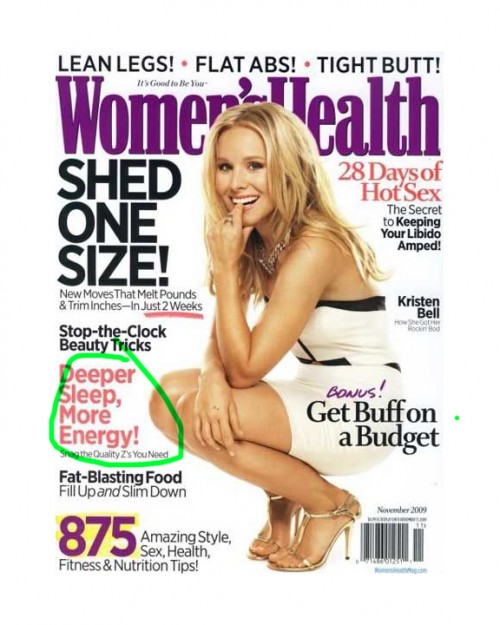
As a journalist who covers social trends, I feel the pressure to conform all the time. Editors — one of the most sleep-deprived groups on the planet — only have so many ways to tell a story and boiling down sleep, flatter abs and bigger orgasms into lists and blinking cover lines that claim you can achieve it all in ten easy steps attracts eyes and improves SEO, but …Women's Healthit completely misses the bigger picture. I wince at these kind of assignments and I try to avoid them. But if you Google me, you’ll see I don’t have a perfect track record.
When I feel discouraged by the direction society is taking (or I’m taking), that’s when I pick up the phone and talk to an expert. Call it blogging as free therapy.

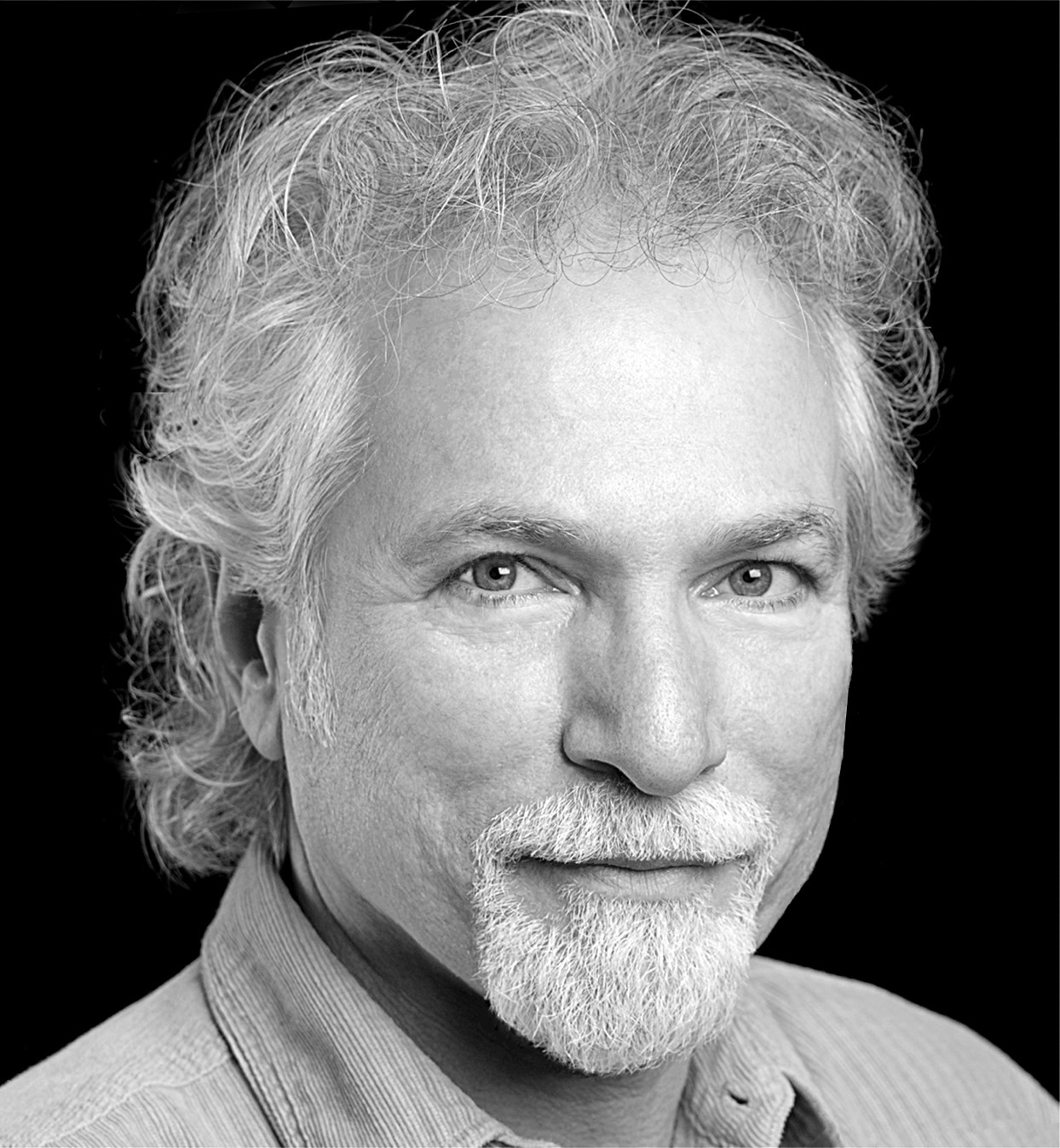
In my latest session, I spoke with Rubin Naiman, Ph.D., shown below. Rubin is the Integrative Sleep and Dream Health Director for the Circadian Health Associates and a clinical assistant professor of medicine at the University of Arizona’s Program in Integrative Medicine.

green_kangaroo_line_4

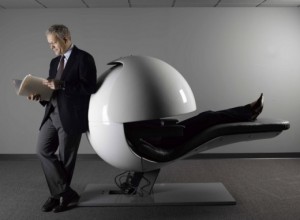
Naiman B&W copyAGJ: What do you think of these sleep pods that offer busy executives a place to tune out for 20 minutes during the day?

Rubin Naiman: I don’t have a negative reaction, per se. My big concern is that sleep pods and spas that charge $15 for 20-minute power naps are a symptom of a larger cultural misconception, a faulty posture towards sleep. They’re a high-tech response to a low-tech question. The sleep pod, like any sort of tech-supported opportunity to catch up on sleep during the day, is a little like taking a vitamin or a supplement to be healthier. Unless you also make that part of a larger lifestyle effort— like eating well and exercising — it really does no good. In fact, it may do some harm in making people think they have a certain modicum of control.

The concept of power napping seems to come out of that need for control you just mentioned. Even the name— “Power Nap” — stresses me out. It’s like putting a ton of money on draining a halftime free throw.

When I was writing my book, Healing Night, the folks at Random House kept wanting to put the word “POWER” in the title. I resisted. Power is associated with waking consciousness. During the day we’re driven, we’re motivated, we have intentions, we have energy and we want power. The big mistake here is that we unthinkingly import waking, daytime postures and attitudes into the world of sleep and dreams. We’ve lost our sense that sleep is a different kind of consciousness compared to waking. It’s an altered state of consciousness.booooooom_kandinsky_05
How so?

Well, it’s not simply the lack of waking. We commonly use the phrase “dead to the world” when people are sleeping, which is interesting because it defines sleep as being, not waking. We have a very naïve, waking-world bias towards sleep as a rest period primarily to serve waking. It’s not. It’s an altered state of consciousness in and of itself.

It sounds otherworldy.

It is. There’s an old Beatles song called “Golden Slumbers” that talks about sleep as a way to “get back home.”

The lyrics were actually written by Thomas Dekker, 300 years before Paul McCartney. At that time, people believed sleep was a place, that you weren’t just “dead to this world,” but you actually went to anotherworld. There’s evidence that where we go in sleep is where accomplished meditators have learned to go. It’s a place that’s so deeply serene, so sublimely peaceful that most of us don’t have any waking world language to bring it back. For folks, like me, who lived through the sixties and experimented with psychedelics and looked at consciousness in different ways, we got it experientially — and we got it in our hearts — that there’s much more going on in sleep than we believe through the frame of our consensual, waking consciousness.

austinPowers

But culture today is less “Woo Woo.” Most of us aren’t sitting around dropping acid and learning to play the sitar [laughs]. We’re more hooked on science, on gadgets and data.

That’s true. We’re living in an Information Age.

… and most of us feel like we’re missing out on some opportunity if we’re not plugged in all the time (our need for more and more information is actually evolutionary, as I wrote back on January 30th)
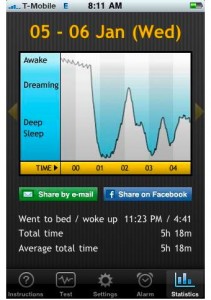
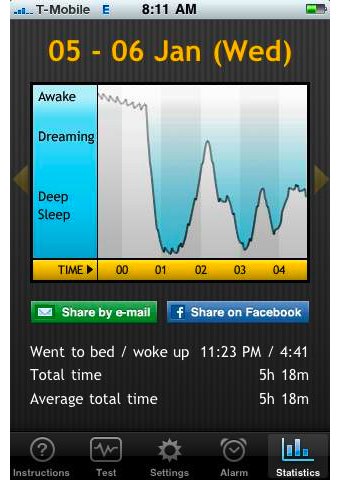
sleep_cycleRight, and I’d say our addiction to information is contributing to our mechanistic approach to sleep. The Sleep Cyle app from Apple is proof of that. It illustrates how we need to reduce everything to the physical world. In my field, psychology, there’s a trend right now toward neuroreductionism, or reducing everything in terms of brain mechanisms. There are all these studies now that show really interesting brain changes — EEG changes and neurocognitive changes — associated with meditating. People have been meditating for thousands and thousands of years, but now scans can show us how the brain in a meditative state produces more gamma waves associated with deep peace. That’s all fine. But you can lean on science so heavily that you won’t accept or trust the experience itself. When I meditate, I don’t need someone monitoring my brainwaves to tell me I’m peaceful, or monitoring my belly to tell me I’m hungry? I already know that.

But aren’t these scans useful?

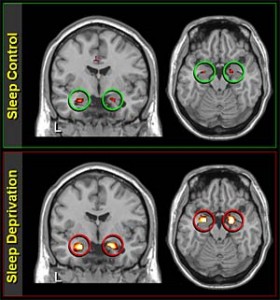
Yes, but only when they’re part of a bigger picture. I’m a member of the American Academy of Sleep Medicine, and my colleagues are primarily physicians. They’re all interested in the brain, in physiology, in neurochemical shifts during sleep. I think all of those things are critically important, but, like I said, they miss the consciousness part, which I’ve made it my mission to emphasize. You can’t reduce sleep to brain mechanisms any more than you sleepcan reduce to love to a series of physical mechanisms. We know there are changes in the brain mechanisms that are the result of falling in love, but nobody would ever say they have discovered a technology that helps you fall in love and stay in love. Our mechanistic approach reduces sleep to these squiggly EEG tracings, to firing neurons and squirting neurochemicals. Intuitively, though, we all know it’s much more than that. Like love, we know the sweetness of a good night’s sleep. We know how it feels to descend into it and to come up out of it in next morning.
Do you think our scientific bent and addiction to information has made us forget how to rest?

Yes. I read a blogger recently who wrote that the average person today consumes more information in a month than people consumed in a lifetime 100 years ago. I don’t know where her data came from, but it points to a true direction. We overconsume food, information, even light (I’ve written about this a lot about how we’re overexposed to light at night). Some say that we’re even over-breathing.

But we’re not over resting.

No. We’re constantly questing. People don’t hit the brakes until the car is already in the garage. Most people don’t even try and slow down until they get into bed. Part of the problem is, we confuse rest with recreation. We think going to the movies is rest. It’s fun, but it’s not rest. In the same way we have to learn to walk before we can run, we absolutely have to learn to rest before we sleep. Also, tens of millions of people are confusing inebriation with rest. You know, I’m going to rest and smoke a joint, or a have a couple of beers.

IMG_0045-200x300

Do you think we avoid slowing down because we’re afraid to be alone with ourselves?

I do. When we hit the brakes — which rest and sleep require us to do — everything we’ve stashed in the back of the wagon comes flying forward. Very few people have a true relationship with themselves when they’re at rest. That’s why they’re in constant motion.

How does this play out in our routines at bedtime?

I have data documenting what most people do at bedtime (this is US data, but it’s probably very similar in Canada). The vast majority of us are either sitting up in bed, reading or watching television. There’s a curious phenomenon happening here, and I’ve talked to thousands of people about it. As soon as people start to nod off, they won’t let themselves descend slowly into sleep. They’d rather go out like a light. If you go out like a light when your head hits the pillow, not only is that not a sign of a good sleep it’s a sign of an excessive sleep debt. It’s probably a symptom of a sleep disorder.
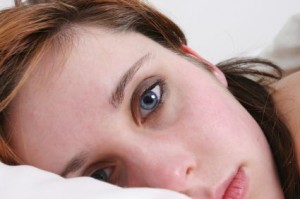
Sleep-DeprivedAnd the reason for that, I think, is that people are reluctant to spend 15 or 20 minutes alone in the dark with themselves. All of that stuff that they’ve been running from, that’s been clipping at their heels, starts to come up. There’s a growing mountain of personal psychological stuff, stress from the day, material that goes back to childhood that most of us never face. The only chance it has to come up is this little window of time when our guard goes down. Over the years, the background noise gets louder and louder and we need harder and harder stuff to put ourselves down. So people drink more and take more medication. I have this belief that, unconsciously, we maintain an excessive sleep debt to help us override our ghosts.

[pullquote]I have this belief that, unconsciously, we are deliberately sleep deprived so we can avoid being alone with ourselves.[/pullquote]

Can you improve your sleep by laying out your bedroom differently?

Yes. Most of us are accustomed to bringing lots of entertainment and gadgets into the bedroom. People work on their laptops in bed. They plug in their cell phones and iPods in bedroom outlets and sleep close to an electric plug-in clock. I suspect most of us sleep closer to our clocks than our spouses. Even the small amount of light from clock radios can trickle through closed eyelids and suppresses our melatonin production. circadian_p090528_01asqAlso, clocks give off an electromagmetic field which further suppresses melatonin. Finally, bedside clocks tell you what time it is. Knowing what time it is in the middle of the night immediately draws you back to waking world consciousness — so, not a good idea.
Globally speaking, are North Americans the worst sleepers?

We used to be. But today the entire industrialized world approaches sleep the same way. Take Spain. After it became a part of the European Union, it had to adjust and become connected to the rest of the continent to do business. Spain doesn’t shut down in the afternoon for two or three hours anymore. So no more siestas. The thing is, they’re continuing the rest of their lifestyle habits, including eating really late and staying up late. Now we’re seeing a significant jump in Spain in accidents and mishaps and other things associated with sleep loss.

How is the rise of coffee culture affecting sleep?

The smallest cup of coffee at Starbucks is called a “Tall.” I often ask my patients how many cups of coffee they drink a day and they usually say two or three, but I’ve learned to ask how big the cups are, and that’s when they get a bit shy (20 ounces). If you want a standard 8-ounce cup of coffee from Starbucks (called a “short”), they keep those cups hidden behind the counter.

What are you working on right now?

1092thermometerI’m researching something called Night Fever. It’s a new model for understanding sleep disorders. It basically says that we need to look at sleep in terms of a release of energy. When we sleep, we stop consuming energy from the world. At night, the body and the brain do exactly what the planet does when the sun goes down. All of the heat absorbed during the day begins to dissipate. If you monitor environmental temperatures when the sun goes down, it basically drops and steadily decreases through the night and reaches its lowest point just before the dawn before coming back up. That’s exactly what normal human body temperature does at night. We found people suffering from sleep disorders and depression have a suppressed amplitude. There should be a wave where the body temperature goes up in the day and down at night, but in insomniacs that wave is flattened. They don’t get as low at night. In some cases, we literally see a night fever. That’s where brain activity scans are useful because they can show us that. “Hot brain,” as we’re calling it, is a brain that won’t shut down. It keeps working; it keeps thinking; it keeps buzzing.

[pullquote]At night, the body and the brain do exactly what the planet does when the sun goes down. All of the heat absorbed during the day begins to dissipate.[/pullquote]

That perfectly describes the cultural climate right now.

It’s time we all chilled, mentally, spiritually and physically.

Amen.
Comment on this post »

Free falling

May 29, 2010

0FN19A year ago, if you’d asked me about blogs I would have told you I resented them.
But that’s because I was following the lead of more experienced journalists I know.

I got over that and decided it was time to crack open my heart and mind and stop placing a dollar sign on

Every. Single. Word. I. Write.

(old me: “That’ll be $5, please.”)

Not thinking that way is hard when resources are shrinking and print media is hemorrhaging as fast as that downed oil tanker in the Gulf.

I’ve since learned that the mind is the tightest organ in the body, and the least resistant to change.

A year later, blogging has become a part of the rhythm of my life, and when times are good, a guiding force.

Now when I’m asked what I think of blogging, I say it’s the most unbelievable publishing platform ever invented. And, finally, I believe it.

A blog is a chance to show the world what you want to be known for.

“Society Pages” is the name I chose for my site. It’s a nod to that section in newspapers traditionally handled by women because no one expected, or wanted, their interests or expertise to stretch beyond hemlines, soufflés and studio starlets.

By now, if you’re one of my regular readers, I don’t think you’ve come here expecting to see recipes or stories and pics about the rich and famous and their trips to The Hamptons or side trysts in stables. That’s not my beat.

Sure, I’ve lunched with the Lauders and interviewed the Kennedys (working at Elle Canada magazine makes those things happen). This blog casts a wider net and examines the strange and touching things we all do because, well, we’re human. I write about human nature but, really, I’m profiling life.

*Notebook from www.laughingelephant.com

Comment on this post »

You snooze, you lose

May 26, 2010

Since when did sleep become the enemy?

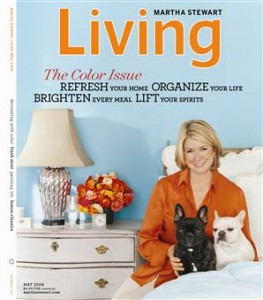
MarthaStewartLivingMay2008.widecWas it when Martha Stewart gloated that she only needed three or four hours of it every night? Is that when the rest of us (this writer excluded) began pasting determined smiles over our exhausted bodies, when Martha taught us that less sleep = more corporate success?

And that’s a good thing?

madonnablackberry1_0.preview

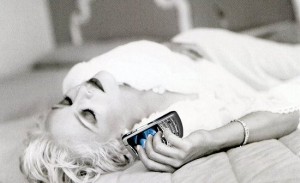
Or, maybe it was when Madonna told Elle Magazine that she sleeps with her BlackBerry, putting it on vibrate and tucking it under her pillow. “I have to,” she insisted, “I often wake up in the middle of the night and remember that I’ve forgotten something, so I jump up and make notes.”

30d7edbf76169c5c_phone-bed.xlarge

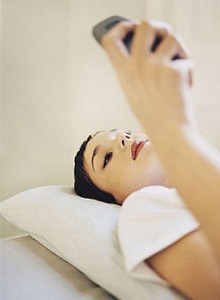
Madonna may be influential, but this is one trend she’s following, not starting. From the looks of it, we’re all hooked.

Office-Organix-Ergopod-500-2

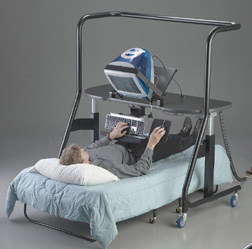
We’re up when we should be down.

sleeping_at_work

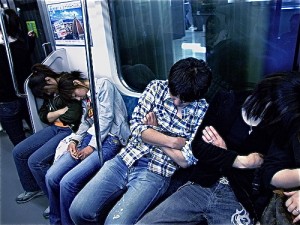
And down when we should be up.

1316252029_bd4c69cda3

Talk about the land of the living dead.

But where there’s a problem, there’s always a solution … and piles of money to be made.

Here are just a few of the recent gadgets the “three hour a night” club have cooked up to attack our sleep deficit.

Drum roll, please ….

red-curtain

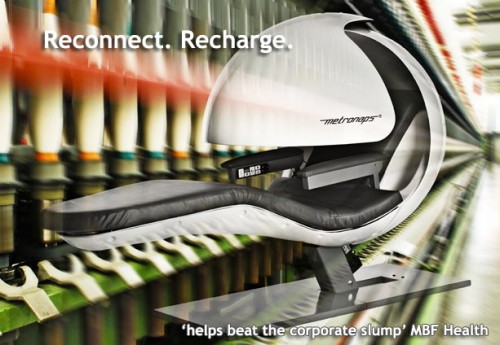
Ladies and Germs, introducing Metronap’s EnergyPod

energypod

This is a sleeker alternative to napping at your desk, in an empty conference room or a bathroom stall. The EnergyPod is an ergonomic wet dream, complete with a built-in music player and headphone jack, a shiny lid for privacy and a timer to wake you up for your next presentation.

These are just a few of the restful shots from the advertising campaign…

home406

And ….

home2206-1

Here’s my take: Napping is good. I believe a nap at work should become an accepted part of corporate culture. What bothers me is the misguided way sleep is being framed by our go-go-go culture. Here are a few at-home gadgets for the overtired. You decide.

Picture 2

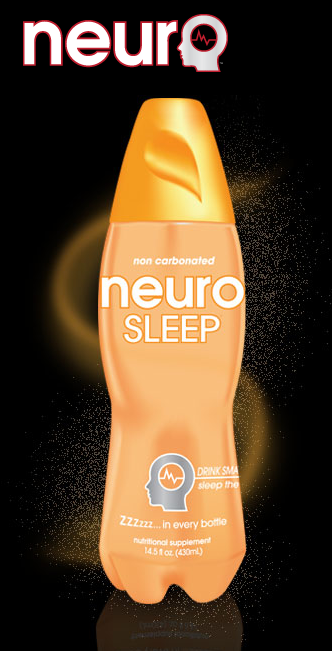
Hold  on … it’s not a dildo, but a bedtime drink! If this device doesn’t turn you on, you really are tired. Neuro Sleep, from Neuro Drinks, is a fizzy beverage packed with sleep-inducing ingredients, including melatonin, magnesium and 5-HTP. Part of the vitamin water trend, Neuro Sleep claims to normalize your circadian rhythms, sending you off into a peaceful slumber. Hmm, except they forgot one thing: Glugging all 430 mL before bed is likely to result in at least three trips to the bathroom during the night.

2683_4265

DSC00956

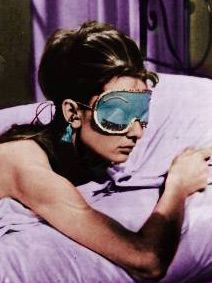
Here’s what Audrey would do. Better, we think. But techno geeks crave this …

sleep_cycle

Sleep Cycle, an app from Apple that “analyzes your sleep patterns” and “wakes you up when you reach your lightest sleep phase.” OK,  but what if your entire night is a light phase? Are you constantly prodded to get up? It makes me wonder if being this self-analytical really helps us to sleep any better? Isn’t this app just feeding into our insatiable appetite for endless facts and data and making us more tense?

Last week I spoke with one of Oprah’s favourite expertsRubin Naiman, a clinical psychologist in Arizona and co-author of Healthy Sleep with Dr. Andrew Weil, and asked him, What’s wrong with this entire picture?

Stay tuned for my Q&A with Rubin. It’s up later this week. In the meantime, I’ve gotta go. I’ve got paid work piling up and a nap to fit in this afternoon.

Sweet dreams, dear readers.

42-15407539

Comment on this post »

Camp VJ: day two

May 18, 2010

ff-photo-tu&crop

Today we’re reporting on the Queen’s Quay community with our flipcams — a different kind of swimming test!

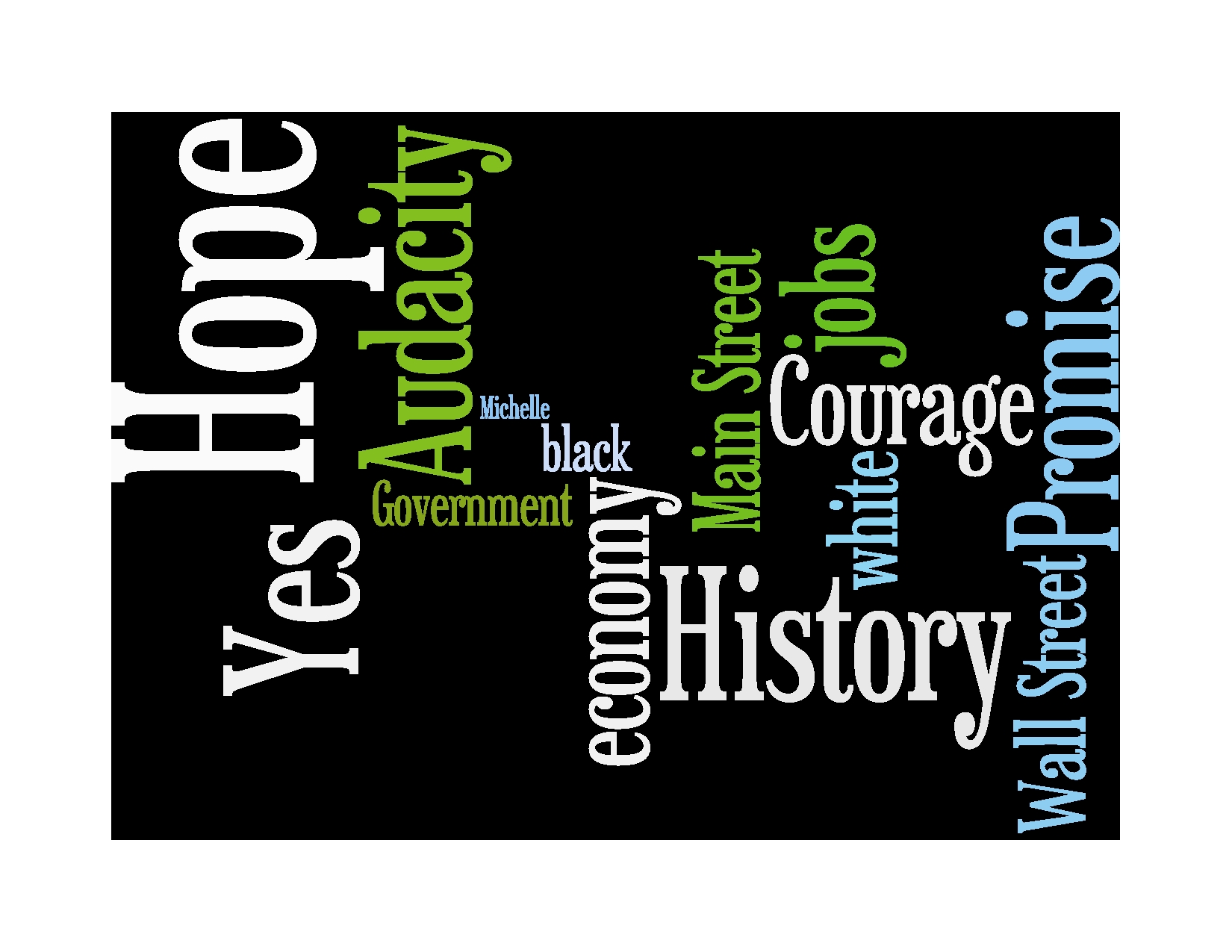
Yesterday we made cool word clouds of Obama’s speeches. The biggest words in his clouds were “HOPE” and “PROMISE.”

page0001

Comment on this post »

Fast times at Newsy High

May 17, 2010

Laptop: checkSketchesDrawing-4

iPhone: check

Flipcam: check

USB cables: check

Audio recorder: check

Pen and notebook: check, check

Snack: check

Bevvy: check, check

Brain: CHECK!

I’m off to the Toronto Star today for a three-day workshop for journalists on how to create digital content . If you wanna be a reporter and blogger today, you better know how to do it all: find the story, write it up (stuffing it with plenty of SEO-friendly buzz words), snap the pics, create the layout, post the audio clip, assemble the slide show and direct and edit the video. We’re like those gypsy musicians with the accordion, drum, cymbals and horn strapped to their bodies, trying to play a happy tune. Good times.

Bill OneManBand

Comment on this post »

But I was joking!

May 8, 2010

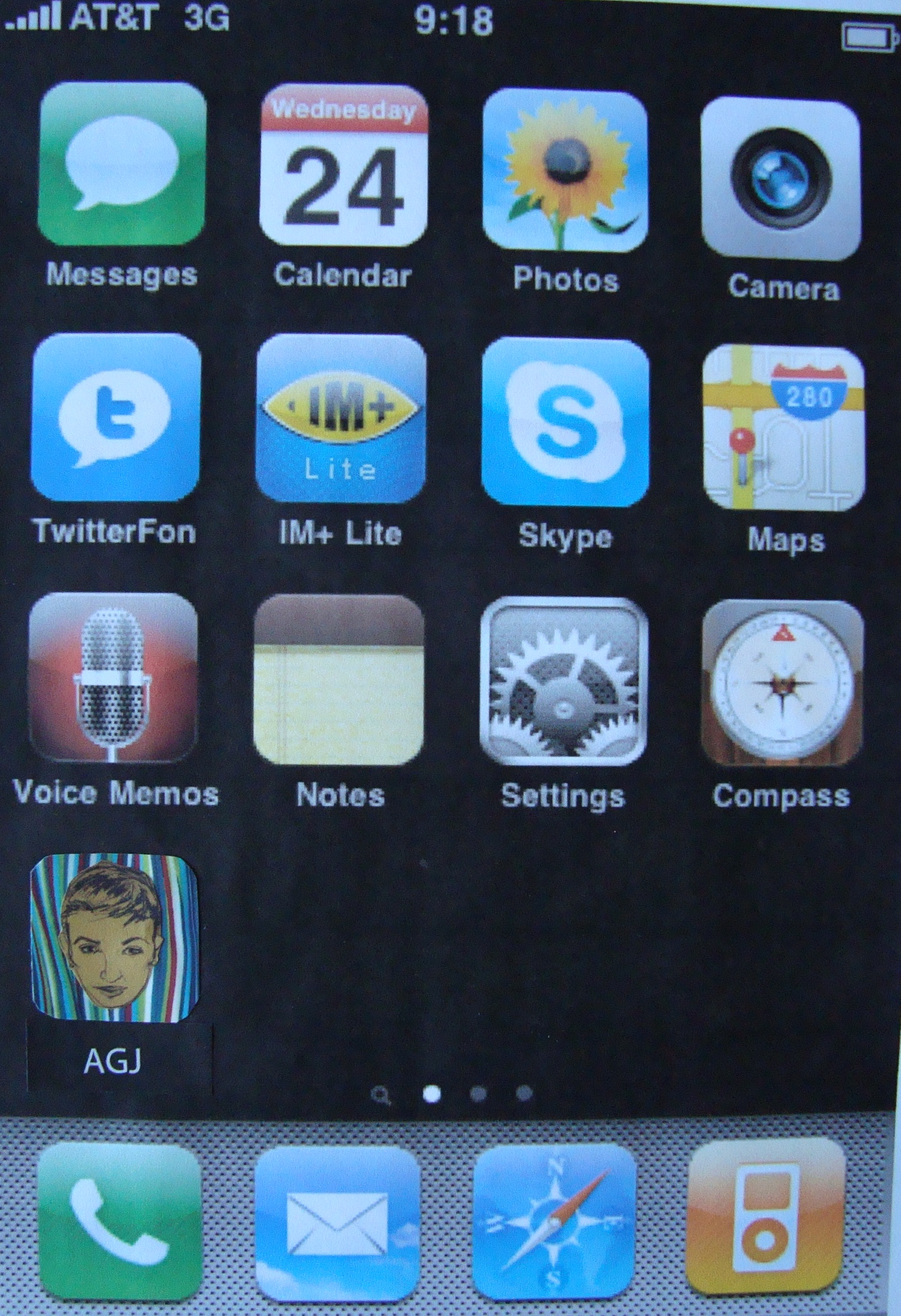
To everyone who thought “AGJ” was Application No. 100,001 from Apple, then tried to buy it from the iPhone App Store, my tin cup thanks you! ist2_2479025-perfect-kiss-with-red-lip-print

It was a joke, dear readers!

Look closer at the image (below) and you’ll see I used glue and scissors to create my mock-up. The ink-soaked paper, coughed out by my printer, is also buckled. Actually, I thought more people would notice the curved edges of the page, distortions created by my camera.

One day I’ll be able to use PhotoShop to create really slick images for my website with no waves on the surface or dog-eared edges. But so far, I’ve only had two lessons (thanks Alanna!)

Comment on this post »

Newsflash: here’s my App!

May 6, 2010

DSC00925

Good news. Steve Jobs approved my App last week!

Here it is!

It’s only .99 cents. My cut will help with groceries.

Buy now and follow me in just one convenient touch.

A high rating would be appreciated.

300px-Orange_star.svg


I knew this digital journalism thing would work out.

Comment on this post »

In conversation with Maureen Judge

May 3, 2010

In a display of human nature at its worst, I once worked with a fashionista who sneered, “Old ladies smell like sour milk.” Wow, I thought, if women can be this disdainful of their mother’s generation, we’ve got a problem. Judging by popular culture, society as a whole finds post-fertile women not worth looking at or listening to.

I wrote about this in a post called Best before dates back on March 4th. I said, one way we could encourage a cultural shift in our uncompassionate take on women and aging would be if filmmakers started telling more cradle-to-grave stories of women’s lives on the big and small screen. Pounding away on my keyboard I went on to say, it’s time to break the pattern of ending women’s stories a quarter of the way through with a fairy tale wedding, a climactic shopping spree, a premature cancer diagnosis or a car chase off a cliff (à la Thelma & Louise).

Seeing women on screen in all their various stages of life — and not just the first blush of youth before anything interesting or noteworthy has happened — is an affirmation of our entire time on this earth. Call it kitchen wisdom, but if we want to live, we have to age. So let’s stop averting our gaze before it’s over. Let’s follow the narrative arc of a woman’s life right to the end, highlighting her accomplishments, sharing the lessons she’s learned and spilling a few tears over the moments when the meaning of it all burned the brightest.

green_kangaroo_line_4

When I wrote these words three months ago, I hadn’t met Maureen Judge. Judge is an award-winning Toronto filmmaker who is filling that storytelling gap I lamented with rich and complicated profiles of Canadian women, ranging in age from 18 to 101. Her one-hour docs hold up a mirror to situations we’ve all experienced (or will experience), but have a hard time acknowledging: the changing nature of love over time, where we go when we age, and what happens to us when life doesn’t unfold the way we thought it would or should.GetAttachment.aspx

Her latest film, Mom’s Home, premiering May 5 at 10:00 pm on TVO, focuses on the autumn of three mother/daughter relationships and how aging, and in one case an Alzheimer’s diagnosis, has changed the dynamic in each. All three stories show the commitment most women feel “to do what’s best” for their families, and often without the support or input from men.

[pullquote]Mom’s Home premieres May 5 at 10:00 pm on TVO.[/pullquote]

I sat down with Judge last week to talk about Mom’s Home. But before I launch into our Q&A, I want to introduce you to the three mother/daughter duos she captures so beautifully on film. Economic and health concerns have forced the women to move in together.

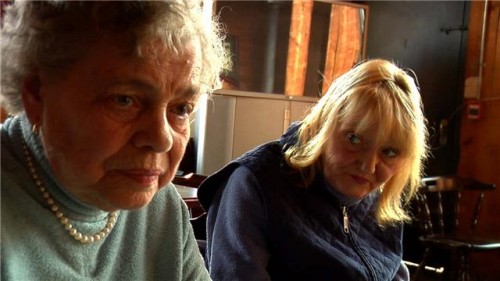
May and Gloria

GetAttachment-2.aspx

May moved in with her daughter, Gloria, three years ago just after her husband died. Gloria is also a widow. Originally from Scotland, this mum and daughter duo live together in a cramped walk-up in small town Ontario. May is 82, still puts on bright red lipstick every day and keeps the ashes of her husband and a pet budgie in decorative boxes on the dresser of her cluttered bedroom. Gloria wrestles with having to leave her mother every day to go to her job as a cook at the local diner. May has Alzheimer’s and as her condition worsens, Gloria realizes something’s got to give. She needs help.

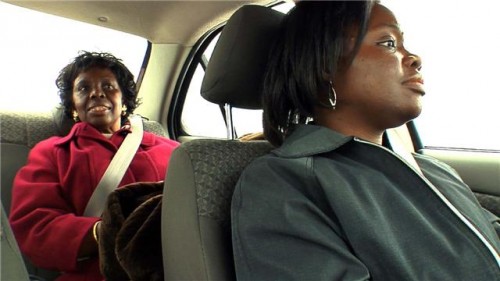
Harrian and Charmaine

GetAttachment-3.aspx

Harrian moved in to her daughter Charmaine’s suburban home after years of living with her son, Carl, and his family. Both women are divorced. Despite getting the heave-ho from Carl —“Moms should stay with their daughters,” says Carl, adding that his mom was starting to “annoy” him — Harrian is wonderfully good natured about the prospect of moving into Charmaine’s place and taking over the cooking, cleaning and entertaining. Charmaine, who has always wanted her mother’s approval, is only too pleased to have her. “I don’t’ know how long I’m going to be here,” says Harrian. “We’ll see.” Charmaine works with a real estate firm, staging houses for sale. Harrian often accompanies her on jobs, although, at times, her daughter finds her more of a burden than a help. That upsets Harrian.

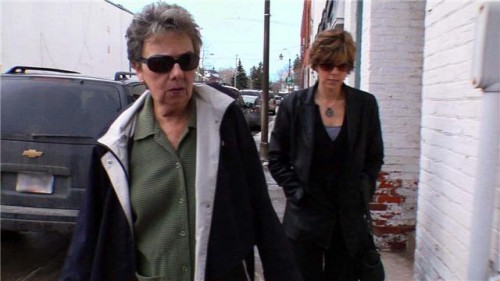
Pam and Liz

GetAttachment-1.aspx

Pam and Liz are the most conflicted about their living situation. Both are divorced and have been roommates in Liz’s home, along with Liz’s two young sons, for the past eleven years. Worried about money and her mother’s well-being, Pam feels bitter and stuck that she can’t get back her own life. Pam also wants a final period of independence before her she gets too old to take care of herself.

Q&A

AGJ: Has Alzheimer’s touched you personally?

MJ: My great aunt Rebecca had it. She lived most of her life in Windsor. She was a batik artist and made quite a mark through her work. She married late in life because she was looking after her mother. But it wasn’t long after she married that her husband got sick and died. She was always forgetful, but this was long before she had Alzheimer’s. At one point, my brother, who was living in Windsor at the time, noticed there was nothing but cigarettes in her fridge. That’s when my parents invited her to move to Toronto so they could keep an eye on her. She moved down the street from them. By that point, I was already living on my own, but I still saw her. Aunt Rebecca would take long walks. Every day she would go to the TD Bank at Sherbourne and Bloor [in Toronto]. They all knew her there. I would run into her a few times at The Bay and she’d say, “Dearie, Dearie, can you tell me how to get home?” She was totally lost. There were times too when she’d wander up to my parents house in the middle of winter with no coat on. She almost lived like a bag lady, but she wasn’t. My family was there for her. Aunt Rebecca lived down the street for quite a while until her behavior became too erratic. The final straw was when she jumped from her first floor window in the middle of the night with no clothes on. At that point, my parents put her into a nursing home.

Why is it important for you to tell these kinds of stories?

They go right to the heart of family realities. Family has always been my centre. It’s how I relate to the world. I’m one of eight kids. We moved around quite a bit when I was young, so when people asked, Where are you from? I’d say, Well, I dunno, I’m from my family. I was born in Montréal, then lived in Kingston, then Chicago and I finally ended up here in Toronto. I think there is a lot of drama in families. It’s a microcosm of society as a whole. For me, that’s where I find my nourishment for stories and for love and for all the ugly stuff too. It all gets mashed up together.

What do you like best about working with older women?

They’re funny. They say what they think and don’t care about the consequences anymore. I love their sense of freedom.

Do you think that women who are widowed, divorced, or temporarily “over men” tend to team up more to form support networks than men do (divorced men just look for a new woman to look after them).

That’s really interesting. I don’t know. I don’t have any stats. But I would think that’s true because, for women, family is still their base, so they’re able to reach out more. Even in a car, if someone gets lost who’s the one who asks for directions? It’s the woman because we don’t have that sense of having to be independent and alone and making it in the world without anyone else’s help. Also, women live longer than men. There are a lot of single mothers, divorced women and widows out there.

How did you find your subjects?

I found community newspapers were the best way to get at people. Those papers hang around for a week. People flip through them and tear out pages. I was also a guest on CHUM FM with Roger, Rick and Marilyn and got a ton of responses after I described what I was doing. I did CBC radio in the afternoon with Matt Galloway. I also got in touch with the YWCA, and did a couple of seniors speaking engagements.

Did the three pairs of mums and daughters you finally chose let you know why they wanted to get involved?

No. And I never ask, but I usually know.

Why did May and Gloria decide to participate?

That’s an easy one. Gloria wanted some entertainment for her mother. May was so excited to have the camera there because she had always wanted to be a movie star. I thought they’d be the love pair. Actually, I think Charmaine and Harrion are the love pair because there’s less pain in their lives. With May and Gloria, they had to move in together, but they also loved being together. They’re joined at the hip.

Pam and Liz came next. They were much more reserved, more WASP. I chose them because they really didn’t want to be together. They were both in this rut and didn’t know how to get out of it. Both had other dreams, and they weren’t shared dreams. But here they were sharing this house together with the kids and the dog. They were tied together and it wasn’t so much about love, it was economics. I thought a lot of people would understand them.

I think Liz represents the resentment that a lot of adult daughters feel. Her life is on hold. She can’t decide if she should marry her boyfriend, but she doesn’t want to pull him into her current situation. She’s stuck.

But Pam is stuck too. She’d like to go out on her own before she’s too old. She’s wondering, What’s going to happen to me?

What about Charmaine and Harrian?

I chose them because they were so much fun. By then, I’d been around Gloria and May and realized there was a pretty dark side to their circumstances. Charmaine and Harrian’s situation wasn’t all that dark. Yeah, ok, her son pushed her out. Carl wasn’t very nice, but Harrian had so much spunk. I also liked the fact that Charmaine basically wanted her mother to like her. She wanted to be the favourite child. That’s why she wanted her mother to live with her. This was her way — and I don’t mean this negatively — of insinuating herself more deeply into her mother’s life. Being one of eight kids I really understood that. You want to figure in your mother’s life. Charmaine’s goodness was allowed to express itself as a result.

Did any of the women have troubles letting you into their lives with a camera?

No. I don’t start shooting until I have some sort of relationship with my subjects. I got to know them over coffee, over phone calls. I wanted them to like me too. I have to let them into my life as a filmmaker. I know that if I miss anything in my initial interviews, when I don’t have cameras and mics around, I’ll get it again. People’s lives are very repetitive.

In the story of May and Gloria the word “Alzheimer’s” wasn’t spoken until about 9 minutes into the film. And it only came up once.

Right.

The women weren’t saying it. Why was that?

Because they live it. May was repeating herself all the time. You know, it’s there but it’s not spoken. She’s also in the really early stages. I didn’t want the medical condition to take over the whole film. And it doesn’t. This is not a film about Alzheimer’s; it’s about relationships and how they are changed by Alzheimer’s and all the other concerns related to aging.

I like what Charmaine said, “I’m learning to live with a completely different woman [than the one I grew up with].” It’s about meeting your mother at another stage of her life and getting to know her all over again.

Yeah, it really is.

Do you think people dance around Alzheimer’s the way they used to dance around cancer? You know, “She’s got the “C” word” (said in a whisper).

I think people do. I think they’re afraid of it. They’re afraid of getting it themselves. I think losing your mind is scarier than anything else. I have a brother who’s schizophrenic. It’s the same idea of losing your mind and not being able to control where it goes.

Do you think this teaming up of the generations will be a social trend over the next 30 years as Baby Boomers age?

I do. I think it’s an economic necessity mostly. All three pairs in the film had financial problems. They weren’t able to have their own homes. I think it’s a cultural thing too. As more people from other countries immigrate to Canada it will be more acceptable for multiple generations to live under the same roof. This will just become assimilated into our culture. I think it’s a good thing. When push comes to shove, you may not have chosen your family, but you are born into it and that’s who’s going to be there for you in the end. I also think mothers and daughters are inextricably bound together. That is the most satisfying part of making this film. I got to know some really great people who taught me a whole lot of life lessons.

Comment on this post »

Paris notebook

April 22, 2010


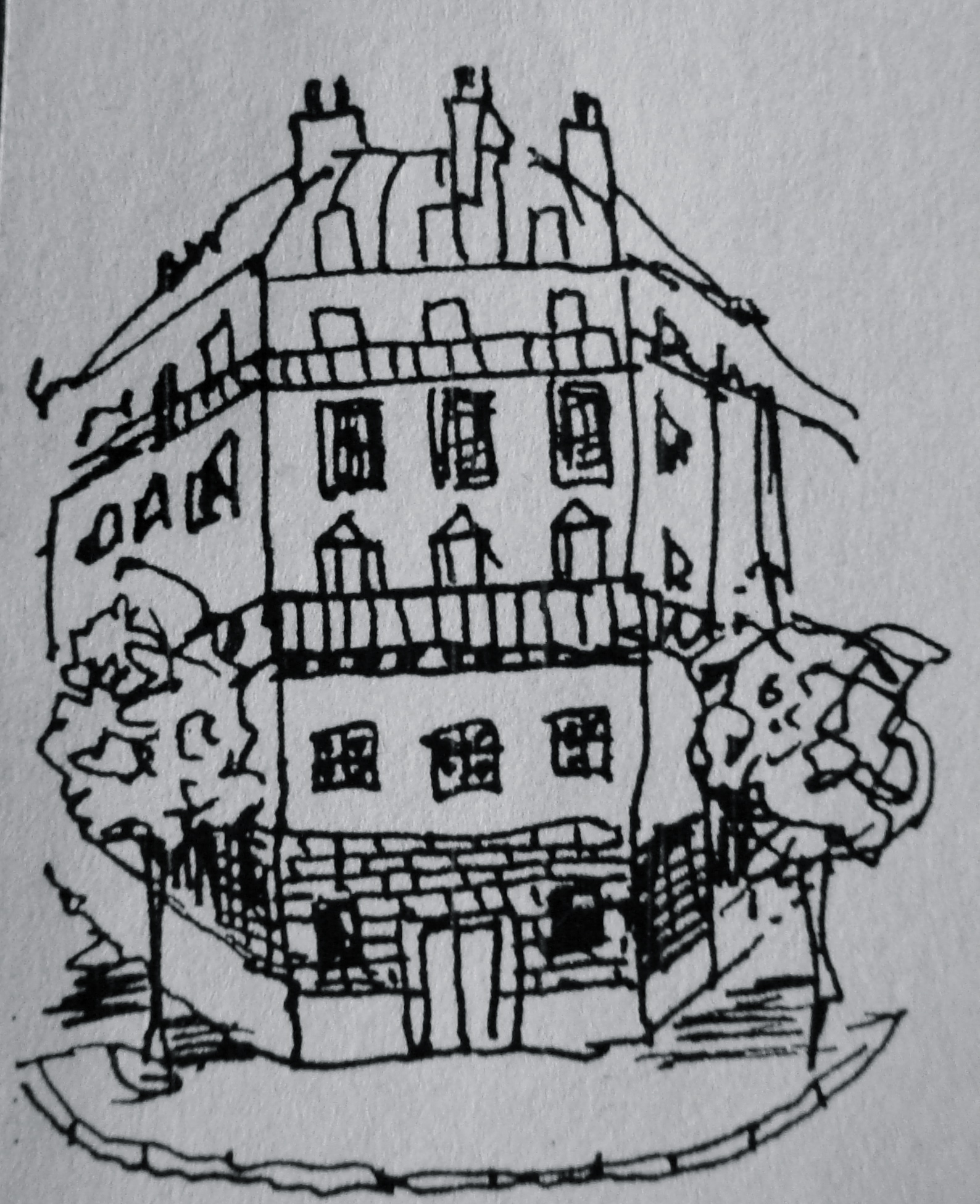
Paris-walk-up.JPG

When I lived in Paris, predatory businessmen searching for a cinq à sept used to chase me past apartment buildings like this. After a while, I stopped worrying about what was behind me and started thinking about what was beyond the balconies in the flats above. WallpaperI imagined rooms dressed in faded cream and mint striped wallpaper that was peeling back at the edges and marked up by run-ins with Louis XV furniture.

Round Frame copy


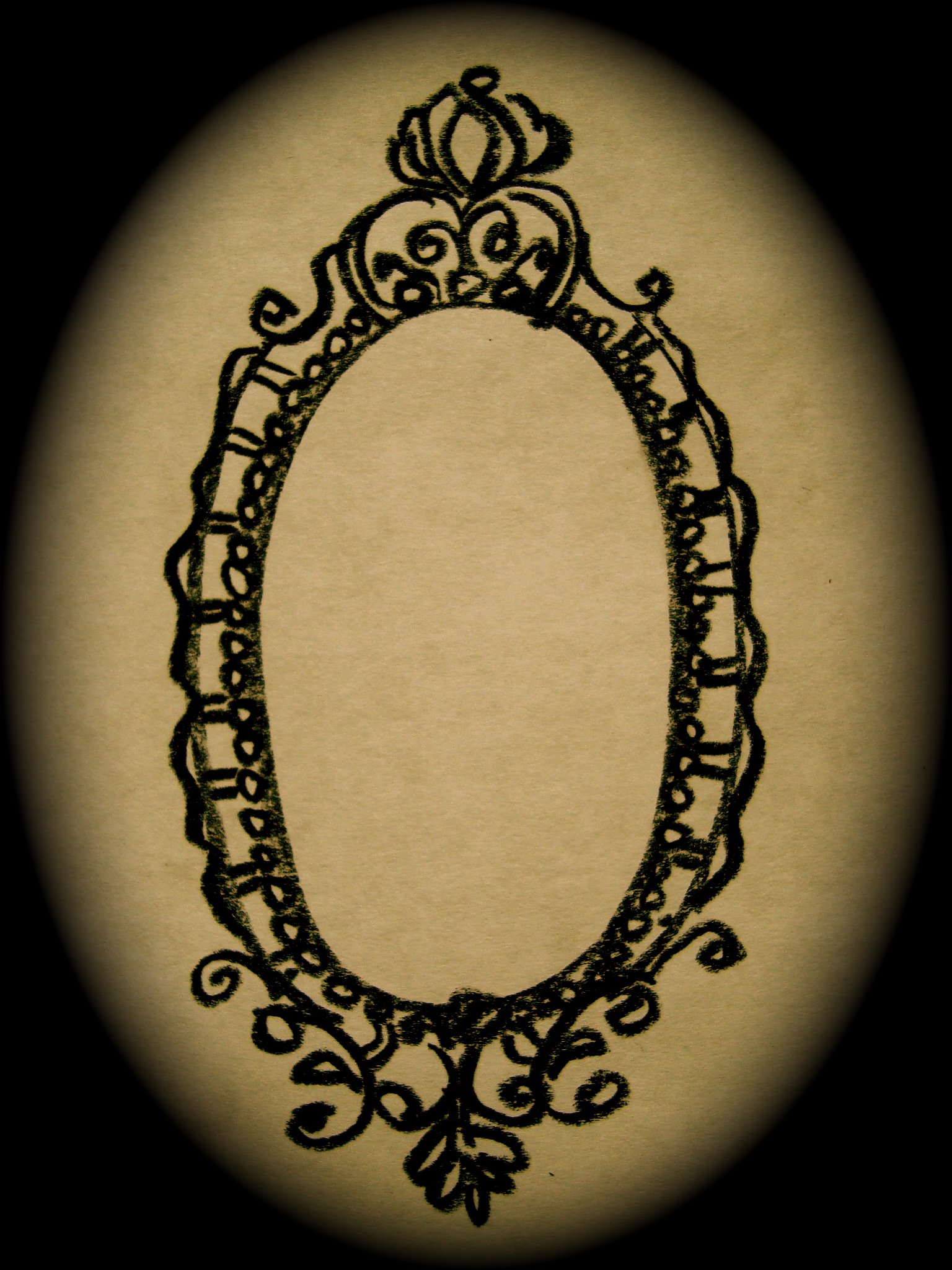
There also had to be gilt mirrors in every size and shape. And they could never be rearranged on account of their chatelaine’s thirty-year nicotine habit which had tinted the walls two shades darker than their original colour, grounding the mirrors, several second-rate Impressionist paintings and a prized Boucher to the spots first determined when she moved in.

This oval beauty is from the eighteenth century.

DSC00210

The owner, a woman surely named Claudine or Aurélia — no, Véronique! — had advanced degrees in art history from the Sorbonne and lived alone on the fourth floor of this Haussmann treasure. Alone but never lonely, Véronique entertained a handful of alternating male visitors with whom she passed a Gauloise and flicked her Zippo. Except for some baguette crumbs, a bottle of Veuve, and a box of stale macarons, there was no food around — ever. Eating took place in the cafés down the street. Insouciant and witty about life and its contradictions, Véronique was dead serious about cheese, foie gras, snails and Fraises de Bois (forest strawberries).

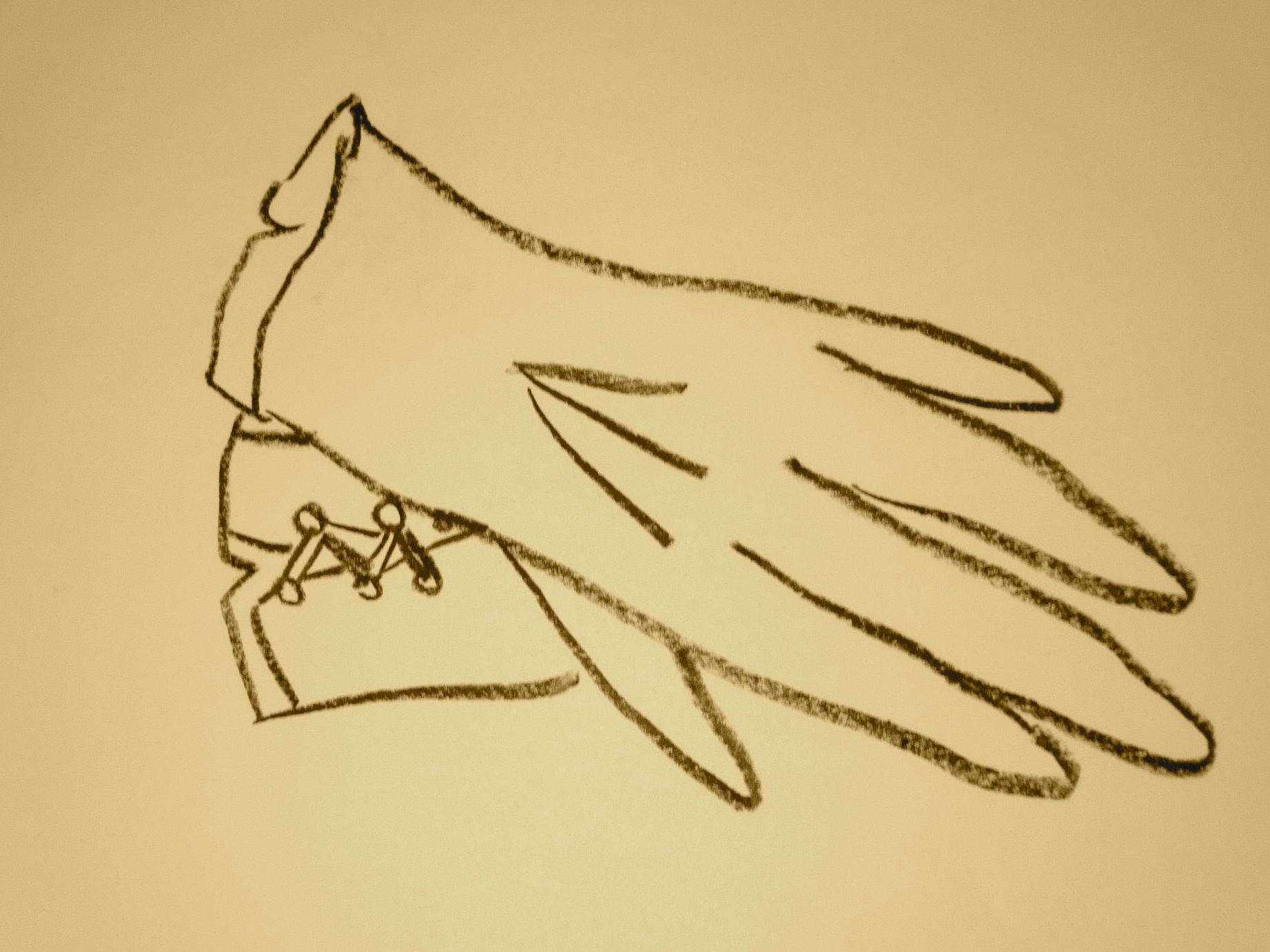
Veronique had several steamer trunks full of her grandmother’s clothes, I imagined, just as the panting behind me subsided and my shadow took a sharp turn down another cobblestoned back street. Finally, I sighed. Where was I? Oh, yeah, Mémère had been a cabaret singer and coquette with as many fancy gloves, hats, sparkly broaches and feather boas as one would expect of a woman in her field. Véronique inherited them all, and kept a pair of buttery soft beige kid gloves in her lingerie drawer.

DSC00382


Tipsy Degas

My take on Degas


Here’s grandma in her heyday, singing about love found and lost. She looked and sounded harsh by the end. But Véronique said she lived by her own rules and, really, that’s all that mattered.

*I was on a press trip in Québec City earlier this week and couldn’t help sinking into this francophile reverie.


Comment on this post »

Interior décor — guy style

April 12, 2010

SketchesDrawing-3

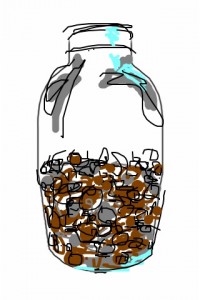
The change jar adds metallic accents to any bedroom dresser.

Comment on this post »

error: Content is protected !!